
In the last decade, the relationship between human beings and their capacity for retention has undergone a radical transformation. In the field of neuropsychology, we observe a growing phenomenon with concern: we are massively outsourcing our cognitive functions to mobile devices. We no longer remember phone numbers, addresses, or birthdays; we delegate that responsibility to silicon. This process, known as "Digital Amnesia," is not just a modern convenience, but an unprecedented biological challenge for our cognitive health.
1. The Era of Digital Amnesia and Cognitive Renaissance
The human brain has evolved over millennia to be an efficient collector of information. However, in the current context, we face a paradox: we have access to all the information in the world, but our capacity to retain and process it is diminishing. The benefits of training memory today are not an academic luxury, but a necessity for functional survival in a world saturated with stimuli.
The brain as a muscle: Strengthening attention and memory
From a biological perspective, memory and the brain are extremely efficient. If we stop using certain neural pathways—such as those responsible for spatial attention and memory—the brain simply begins to prune those connections. This is where the importance of understanding brain gymnastics lies. Just as an athlete trains their muscles to avoid atrophy, cognitive training maintains our mental architecture robust and resilient.
The Google Effect and cognitive sloth
Various studies suggest that the brain tends to "forget" information it knows is easily available in the cloud. This "Google Effect" has generated a false sense of knowledge: we believe we know more than we actually do because information is just a click away. However, deep knowledge and critical thinking capacity require a solid working memory and a long-term memory structure that allows connecting concepts innovatively. Without training, our capacity for synthesis and analysis is diminished, reducing us to mere passive recipients of data.
Functional Neuroplasticity: Your greatest asset
The good news, and the central pillar of this guide, is functional neuroplasticity. Contrary to what was believed decades ago, our brain is not a static entity that stops growing after youth. It is a malleable tissue capable of generating new neurons (neurogenesis) and, above all, strengthening existing synapses.
Mental biohacking is based precisely on this ability to rewind the brain through specific stimuli. Training memory is not just a technique for remembering shopping lists; it is a direct intervention in the physical health of our gray matter. By committing to a training routine, we are actively working on preventing cognitive decline and building a cognitive reserve that will protect us in the advanced stages of life.
Throughout this guide, we will break down how this "cognitive renaissance" can transform your daily performance, your learning capacity, and your emotional well-being. The first step is to recognize that your mind is not a full hard drive, but a dynamic system that requires constant challenges to shine.

2. Scientific Foundations: How memory works
To understand the benefits of training memory, it is imperative to immerse oneself in the biology of learning. We are not dealing with a merely psychological process; memory is the result of tangible physical and chemical changes in brain tissue. From a cognitive science perspective, we define cognitive training as a deliberate intervention to optimize the infrastructure of our gray matter.
2.1. Synaptogenesis and Long-Term Potentiation (LTP)
The heart of functional neuroplasticity resides in the synapse: the point of communication between two neurons. When we perform brain gymnastics, we are not simply "reviewing data," we are inducing a phenomenon known as Long-Term Potentiation (LTP). LTP is the process by which synaptic connections strengthen after repeated and persistent activation. In terms of mental biohacking, LTP is the mechanism that converts an ephemeral experience into a solid memory trace. At the molecular level, this process implies the massive release of neurotransmitters like glutamate and the activation of NMDA receptors, which allow calcium to enter the neuron, sending a signal to the nucleus to synthesize new proteins and "weld" that connection. Without the stimulus of training, these pathways weaken, facilitating digital amnesia.
2.2. The Hippocampus-Prefrontal Cortex Axis
Memory training does not occur in a vacuum; it involves a complex network where two structures are the absolute protagonists:
- The Hippocampus: This seahorse-shaped structure is the gateway to memories. It is responsible for the consolidation of episodic and spatial memory. It is one of the regions with the highest density of BDNF (Brain-Derived Neurotrophic Factor) receptors, a protein that acts as neuronal fertilizer. Systematic training promotes neurogenesis—the creation of new neurons—precisely in this zone.
- The Prefrontal Cortex (PFC): It is the executive command center. This is where working memory resides. While the hippocampus stores, the PFC manipulates information. Training short-term memory exercises strengthens connectivity between the PFC and the hippocampus, which translates into a greater capacity to filter distractions and maintain focus on complex tasks.
2.3. Types of Memory: The Warehouse and the Processor
For effective prevention of cognitive decline, we must work on all memory systems:
- Working Memory: It is our "RAM". It allows us to retain information while performing a task (e.g., remembering the steps of a recipe while cooking). It is the most vulnerable to stress and digital overload.
- Declarative Memory (Explicit): It acts in semantic (data and facts) and episodic (personal experiences). It is the basis of our knowledge and our identity.
- Procedural Memory (Implicit): It is the memory of "how things are done" (e.g., riding a bicycle). Although it is more resistant to forgetting, mental training helps the acquisition of new motor skills to be faster.
2.4. Comparative Table: Impact of Training on Brain Structure
| Characteristic | Sedentary Brain (Digital Amnesia) | Trained Brain (Mental Biohacking) |
|---|---|---|
| Synaptic Density | Dispersed and weak networks (neuronal pruning). | Dense, branched, and resilient networks. |
| Hippocampal Volume | Tendency to reduce due to lack of stimulus. | Maintenance or increase in volume. |
| BDNF Levels | Low; lower neural repair capacity. | High; constant cellular renewal. |
| Metabolic Expenditure | Inefficient; the brain "exhausts" quickly. | Optimized; greater resistance to fatigue. |
| Cognitive Reserve | Vulnerable to pathologies or aging. | Solid; delays dementia symptoms. |
2.5. The Biochemistry of Attention and Memory
Cognitive training modulates brain chemistry. Acetylcholine is the key neurotransmitter for encoding new memories. In a trained brain, cholinergic systems are more efficient, allowing for a sharper "recording" of information. Furthermore, playful training or the gamification of brain gymnastics releases dopamine. This neurotransmitter not only makes us feel good but marks information as "relevant," facilitating its passage from short-term memory to long-term storage. When the brain detects a challenge overcome (such as solving a complex puzzle or learning a mnemonic technique), the reward system activates, biologically reinforcing future learning capacity.
2.6. Cognitive Reserve: The Protective Shield
Finally, science supports that the benefits of training memory accumulate under the concept of cognitive reserve. Think of it as a neuronal savings fund. The more connections we create through study, memorization, and mental challenge, the more "alternative routes" the brain will have to continue functioning if an area is damaged by the passage of time or neurodegenerative diseases. It is not that damage does not occur, but that the trained brain is capable of bypassing the breakdown and operating normally.

3. Benefits in Daily Life: Improving attention and memory
After understanding the biological basis of memory, it is crucial to ground these concepts in everyday reality. In cognitive training practice, the most frequent reason for consultation is not a serious pathology, but the sensation of "brain fog" or anxiety caused by small forgetfulness. The benefits of training memory manifest as a systemic improvement in our quality of life, affecting everything from our emotions to our economic and social capacity.
3.1. Reduction of Stress and "Forgetfulness Anxiety"
We live in a constant state of alert that fragments our attention and memory. The human brain is not designed to manage 50 open tabs and remember everything simultaneously. When working memory is saturated, the body reacts by activating the HPA (hypothalamus-pituitary-adrenal) axis, releasing cortisol. Chronic cortisol is neurotoxic, especially for the hippocampus, creating a vicious cycle: stress makes us forget, and forgetfulness stresses us more.
- Mental Peace: By performing brain gymnastics, we increase the capacity of our "temporary warehouse". This allows us to process information in a more orderly manner, reducing the panic sensation that arises when we feel "something is escaping us".
- Cognitive Confidence: Knowing that you possess the tools to retain important information eliminates social and professional anxiety, allowing you to be present in the "here and now".
3.2. Decision Making and Mental Agility
Decision-making is a high-level executive function that depends directly on the efficiency of our memory. To decide correctly, the brain must retrieve information from the past (experiences), compare it with present data, and project future scenarios. If memory access is slow or fragmented, decision-making becomes erratic or is postponed due to fatigue. Training in mental biohacking accelerates information processing speed. A trained brain not only remembers more but connects data faster, which we know as fluid intelligence.
3.3. Impact on Learning New Languages and Skills
In the knowledge economy, the ability to learn quickly is the ultimate competitive advantage. Training memory is like updating your learning capacity's operating system.
- Vocabulary Acquisition: The use of mnemonics and associative memory training allow a language student to retain new words with 40% more efficiency compared to passive repetition.
- Ebbinghaus Forgetting Curve: Through training, we learn to combat the natural loss of information through spaced repetition techniques, ensuring that what is learned today becomes long-term knowledge.
- Skill Transfer: A robust memory facilitates "near and far transfer," allowing you to use concepts learned in one area (like music) to solve problems in another (like programming).
3.4. Productivity and the Concept of "Deep Work"
Cognitive training improves our capacity for sustained attention. In a digital environment designed to fragment our attention, having a trained memory allows us to enter states of flow or Deep Work. By strengthening the prefrontal cortex, we are less susceptible to notification distractions, as our working memory can maintain the thread of a complex task for longer periods.
3.5. Table: Impact on Daily Life according to Training Level
| Everyday Situation | Person with "Digital Amnesia" | Person with Cognitive Training |
|---|---|---|
| Work meeting | Depends 100% on notes; loses thread if interrupted. | Keeps key points in mind; connects ideas in real-time. |
| Learning software | Needs constant tutorials; forgets commands. | Identifies patterns quickly; retains navigation routes. |
| Social life | Forgets names and details; generates emotional disconnection. | Remembers personal details; strengthens bonds and empathy. |
| Time management | Sensation of chaos; forgets small tasks. | Automatic prioritization based on remembered relevance. |
3.6. The Effect on Empathy and Interpersonal Relations
We often forget that memory is the basis of our relationships. Remembering a colleague's daughter's name, a detail a friend mentioned months ago, or our partner's preferences are acts of care. Episodic memory allows us to travel back in time and recall how we felt in situations similar to those another is living, which grounds empathy. By improving our cognitive health, we become better communicators and people more connected to their social environment, mitigating the loneliness that technology sometimes imposes.
3.7. Mental Agility in Critical Situations
In moments of crisis or emergency, the brain tends to block. An undervalued benefit of memory training is the ability to stay calm under pressure. By having automated certain information retrieval processes through brain gymnastics, the brain does not waste energy "trying to remember what to do," but executes protocols efficiently, which can be vital in high-risk professional environments (doctors, pilots, engineers).
In summary, daily benefits are a cascade of improvements that begin in the neuron and end in a fuller, more productive, and above all, conscious life.

4. Training by Life Stages: From Development to Resilience
From a cognitive development perspective, one of the most fundamental concepts is that the brain is not a static entity; it is a constantly flowing system that presents different needs according to the decade of life we are traversing. The benefits of training memory are not universal in their application but must be adapted to maximize functional neuroplasticity at each stage.
4.1. Students: Optimizing Focus and Academic Retention
In the formation stage, the brain is a sponge with a high rate of synaptogenesis. However, current students face "infoxication" and the temptation of digital multitasking, which erodes their deep concentration capacity.
- Combating the Illusion of Competence: Many students practice "re-reading," which generates a false sense of knowledge. Training through short-term memory exercises and Active Recall techniques forces the brain to reconstruct information, strengthening neural pathways permanently.
- Working Memory Management: A student with a trained working memory can process complex physics or math concepts with less cognitive load. This translates into a reduction in exhaustion after study sessions.
- Neuroplasticity in Adolescence: During this stage, the brain undergoes massive synaptic pruning. Training memory ensures that the connections maintained are the most efficient and powerful, establishing a solid foundation for lifelong learning.
4.2. Professionals: Biohacking for High Performance and Burnout Prevention
For the modern professional, the brain is their main work tool. Brain gymnastics at this stage does not seek to memorize useless data, but to optimize executive functions.
- Increased Productivity: Cognitive training allows what we call "switching agility." A trained professional can switch from one task to another with less "attention residue," increasing hourly production.
- Burnout Prevention: Chronic work stress raises cortisol, which directly damages hippocampus cells. Mental biohacking acts as a buffer; by improving memory efficiency, the professional feels greater control over their environment, reducing stress perception and preventing emotional exhaustion.
- Strategic Decision Making: At management levels, prospective memory (remembering to do something in the future) and episodic memory are vital for leading teams and forecasting market trends based on historical patterns.
4.3. Older Adults: Building "Cognitive Reserve"
This is, perhaps, the stage where memory training has the most dramatic and vital impact. Here we speak directly about preventing cognitive decline and preserving autonomy.
- The Concept of Cognitive Reserve: It is the mental capital accumulated throughout life. People who have maintained a routine of intellectual challenge and memory training develop such a robust neural infrastructure that they can present brain pathologies (like Alzheimer's plaques) without showing clinical symptoms. The brain simply finds "alternative pathways" to function.
- Maintenance of Independence: Remembering medication, managing personal finances, or simply maintaining a fluent conversation depends on our memory health. Constant training delays the onset of dementia symptoms by an average of 5 to 7 years, representing an incalculable improvement in quality of life.
- Neurogenesis in Old Age: It has been shown that the hippocampus can continue producing neurons even at 80 years old if provided with the appropriate stimulus through brain gymnastics and physical exercise.
4.4. Table: Training Objectives by Life Stage
| Stage | Main Objective | Recommended Technique | Key Benefit |
|---|---|---|---|
| Students | Consolidation of information. | Spaced repetition and mnemonics. | Academic performance and time saving. |
| Professionals | Executive efficiency and agility. | Biofeedback and complex visualization. | Resilience to stress and productivity. |
| Older Adults | Prevention and reserve. | Strategy games and learning new skills. | Autonomy and delay of cognitive decline. |
| Seniors | Connectivity and basic functions. | Active socialization and spatial memory exercises. | Quality of life and emotional health. |
4.5. The Role of Lifelong Learning
Regardless of age, the brain thrives on novelty. The biggest enemy of cognitive health is routine. When we stop learning, the brain assumes it no longer needs to maintain certain networks and begins to disconnect them. Memory training forces us out of the neurochemical comfort zone, forcing the brain to stay young, curious, and functional.
In the digital era, we have the advantage of accessing training tools at any time, but the key is not the tool, but the consistency and intensity of the challenge. It is not enough to do what we already know how to do well; we must seek what we find difficult. That "cognitive effort" is the signal the brain needs to activate repair and growth mechanisms.
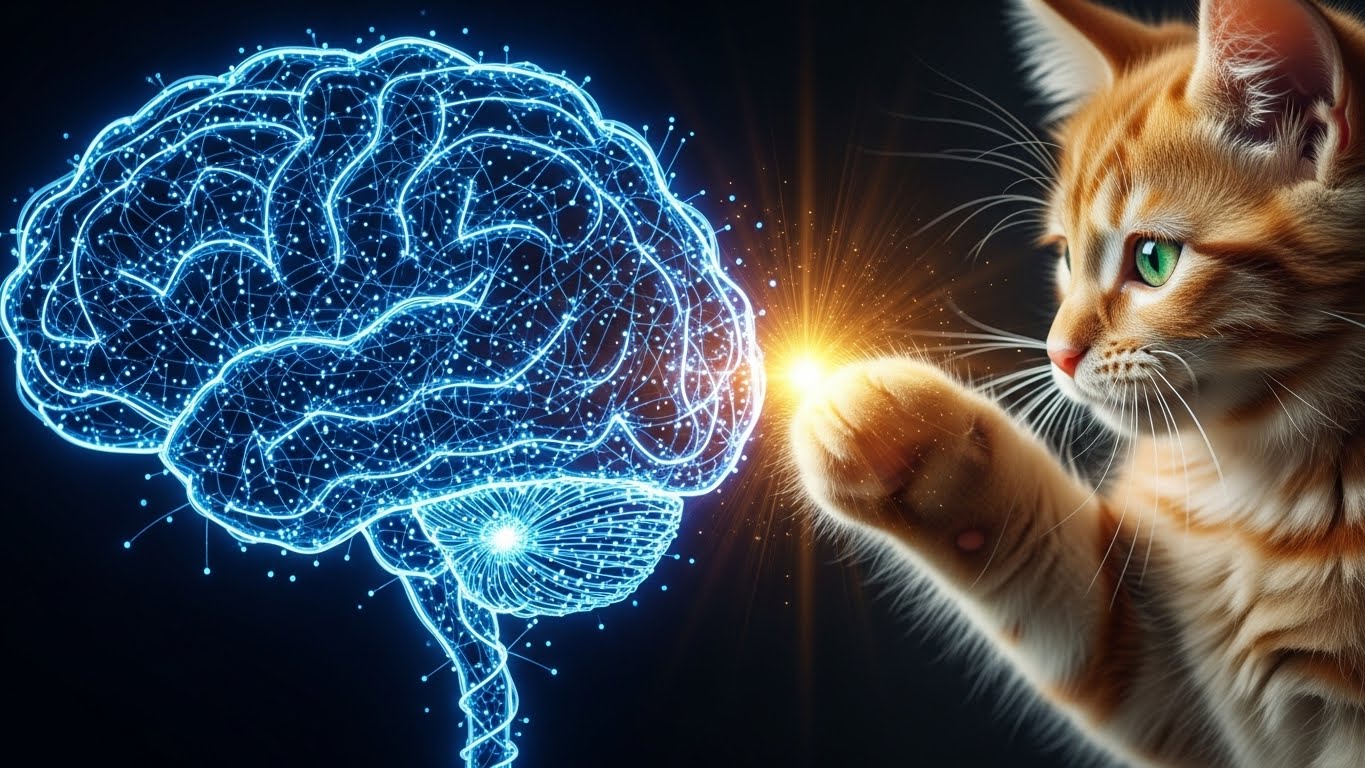
5. Technology and Augmented Reality: The New Frontier of Cognitive Training
As we have analyzed, technology is often pointed to as the cause of digital amnesia. However, in the realm of modern neuropsychology, we are witnessing a paradigm shift: the use of Augmented Reality (AR) and immersive environments as the most powerful tools for mental biohacking. It is not about using technology to replace memory, but to challenge it in dimensions that paper and 2D screens cannot reach.
5.1. Spatial Memory and the Digital Method of Loci
One of the oldest and most effective memorization methods is the "Memory Palace" or Method of Loci, which consists of associating information with specific physical places. Augmented Reality takes this ancient technique to the 21st century.
- Hippocampus Stimulation: Spatial memory is intrinsically linked to the hippocampus. By using AR, the brain not only processes abstract data but positions it in a real three-dimensional space. This activates "place cells" and "grid cells," optimizing functional neuroplasticity by involving multiple sensory channels.
- Contextualization of Learning: Unlike a list on a screen, a virtual object "floating" in your living room creates a much stronger episodic anchor. The benefits of training memory with AR lie in the fact that the brain remembers the experience of having seen the information in a location, facilitating its later retrieval.
5.2. Gamification: The Engine of Consistency
The biggest obstacle to any brain gymnastics program is a lack of adherence. Immersive technology solves this through gamification. When memory training is presented as an interactive challenge, the brain releases dopamine. This neurotransmitter not only improves mood but acts as a relevance marker: it tells the brain that information "is worth saving." Mental gym apps using AR transform cognitive effort into a rewarding experience, ensuring the user maintains the routine necessary to see long-term results in preventing cognitive decline.

¿Te gustó este artículo?
Pon a prueba lo que aprendiste con nuestra app oficial MemoZoo.
Ver App Gratis5.3. Table: Traditional Training vs. Augmented Reality (AR)
| Criterion | Traditional Methods (Paper/2D Apps) | Training with AR / Immersive |
|---|---|---|
| Sensory Involvement | Mainly visual and static. | Multisensory (visual, spatial, auditory). |
| Cognitive Load | Focused on abstract repetition. | Based on interaction and context. |
| Brain Activation | Prefrontal cortex and visual areas. | PFC, Hippocampus, and Parietal Cortex (spatial). |
| Real Transfer | Moderate; sometimes limited to the game. | High; trains the brain for the 3D world. |
| Engagement Level | Risk of rapid boredom. | Very high due to novelty and immersion. |
5.4. Mental Biohacking and Cognitive "Wearables"
We are entering an era where devices not only measure our steps or heart rate but also our real-time brain activity. The use of AR devices combined with EEG (electroencephalography) sensors allows for precision training. If the device detects your working memory is saturated, it can dynamically adjust the exercise difficulty. This level of personalization is the future of cognitive health, allowing each individual to train exactly in their "zone of proximal development," maximizing every minute of practice.
5.5. Overcoming the Flat Screen: The Neuroscience of Space
The human brain did not evolve to read text on two-dimensional backlit screens. It evolved to navigate, find food, and avoid predators in a complex three-dimensional world. AR positively "tricks" the brain, making it believe it is interacting with physical objects. This interaction activates the somatosensory cortex, adding a layer of procedural memory to theoretical data learning. By training with these tools, we are not just remembering facts, but exercising the brain's natural ability to map the environment, a function that often declines prematurely in people with a sedentary digital lifestyle.
In conclusion, technology well-applied is the antidote to the very amnesia it generates. The key to success in modern cognitive health lies in using these immersive tools to give the brain back the challenge and depth that the flat digital environment has stolen.

6. Practical Training Guide: Your Daily Mental Gym
In the field of cognitive training, theory without action produces no synapses. The benefits of training memory are only consolidated through repetition and progressive overload. You don't need hours of study; you need a mental biohacking strategy integrated into your lifestyle. In this section, we will design your personalized "training plan," combining nutrition, technique, and technology.
6.1. The 15-Minute Routine: The Cognitive "Sprint"
To maintain cognitive health, consistency beats intensity. I have designed this daily 15-minute routine you can do anytime to strengthen your working memory and mental agility:
- Minutes 1-5: Active Recall. Without looking at your agenda, try to remember the 5 most important tasks you did yesterday. Then, visualize the 5 main tasks for today. This forces the brain to search for access routes to episodic memory.
- Minutes 6-10: Mental Math or Mnemonics. Solve 10 simple math operations without a calculator or memorize a list of 10 random words using the "Chain Method" (creating an absurd story connecting them).
- Minutes 11-15: Dual N-Back. Use a brain training app to perform the "N-Back" exercise. It is the only scientifically validated exercise to increase working memory capacity and, potentially, fluid intelligence.
6.2. Nootropic Nutrition: Fuel for Your Neurons
The brain consumes 20% of the body's total energy. For brain gymnastics to be effective, the biochemical environment must be optimal. Here enter "Brain Food" and natural nootropics:
- Omega-3 Fatty Acids (DHA/EPA): Fundamental for neuronal membrane integrity. Found in salmon, walnuts, and chia seeds.
- Antioxidants (Flavonoids): Blueberries and dark chocolate (+85% cocoa) improve blood flow to the hippocampus, facilitating neurogenesis.
- Turmeric and Black Pepper: Curcumin helps reduce brain inflammation and has been linked to beta-amyloid plaque removal.
- Hydration: A 2% dehydration drastically reduces attention span and short-term memory.
6.3. "Mental Gym" Apps vs. Analog Methods
One of the most frequent questions is: "Is paper or digital better?" The answer is complementarity.
| Tool | Main Advantage | Ideal For... |
|---|---|---|
| Apps (Lumosity, Peak, Elevate) | Gamification and data tracking. | Processing speed and attention. |
| Reading on Paper | Less visual fatigue and greater focus. | Deep comprehension and semantic memory. |
| Handwriting | Greater activation of the motor cortex. | Concept retention and planning. |
| Board Games (Chess, Go) | Strategy and socialization. | Cognitive reserve and decision making. |
6.4. Lifestyle Biohacking: Sleep and Exercise
You cannot train an exhausted brain. Short-term memory exercises lose their effect if two biological pillars are not respected:
- Deep Sleep (REM and Non-REM): During sleep, the glymphatic system cleans metabolic waste from the brain, and the hippocampus "moves" the day's memories to the cortex for long-term storage. Without sleep, there is no consolidation.
- Aerobic Exercise: Running, swimming, or brisk walking raises BDNF levels immediately. The recommendation is to perform 20 minutes of cardio before a study session or intense mental training.
6.5. The "Chunking" Method
To boost working memory, use the chunking technique. The human brain can handle approximately 5 to 9 items at a time. By grouping information (e.g., remembering a long number like 202-555-0193 instead of individual digits), you reduce cognitive load and allow working memory to operate more fluidly. This is a key mental biohacking tool for professionals handling large volumes of data.

7. FAQ and Conclusion: The Future of Your Cognitive Health
Reaching this point, it is fundamental to resolve doubts about memory. Training attention and memory is not a goal, but a continuous process.
7.1. Frequently Asked Questions (FAQ)
How much time a day should I train to see real results? From the perspective of functional neuroplasticity, quality of training is superior to quantity. Various studies suggest that 15 to 20 minutes of deliberate effort daily are sufficient to induce synaptic changes. The important thing is not duration, but that the exercise represents a real challenge: if it's easy, you're no longer training, you're repeating.
Is paper or digital better for retention? Science indicates that handwriting more intensely activates the Reticular Activating System (RAS), facilitating deep information encoding. However, digital formats and Augmented Reality offer an unmatched advantage in progress tracking and spatial memory stimulation. The ideal approach is hybrid: use paper to reflect and plan, and technology to measure and challenge your limits.
Is there a "limit" age to start brain gymnastics? Absolutely not. Thanks to neurogenesis in the hippocampus, the brain can create new neurons and connections even in the ninth decade of life. What varies is intensity and stimulus type, but prevention of cognitive decline is effective at any stage.
Do memory games really prevent Alzheimer's? Games alone do not "cure," but they are the fundamental pillar for building cognitive reserve. This reserve acts as a buffer: it allows the brain to continue functioning normally for much longer in the presence of pathologies. It is a "life insurance" for your autonomy.
7.2. Conclusion: Commitment to Your Future "Self"
In the era of digital amnesia, regaining control of our memory is an act of resistance and empowerment. We have explored how technology, if not managed consciously, can atrophy our natural capabilities. However, we have also discovered that we have at our disposal more powerful mental biohacking tools than in any other era of history.
Training memory is not simply about not forgetting keys or remembering a list of data for an exam. It is about preserving your essence. Our identity is, ultimately, the collection of our memories and our ability to connect new ideas. By strengthening your cognitive health, you are not only improving your productivity or mental agility today; you are protecting your capacity to learn, love, and decide in the decades to come.
Your brain is the most valuable asset you possess. Treat it with the same discipline you would treat a muscle and with the same curiosity a child explores the world. The future belongs to those who decide not to delegate their thinking to silicon, but to empower their own biology.
Summary of Key Benefits:
- Resilience: Greater capacity to face stress and burnout.
- Longevity: Construction of cognitive reserve against neurodegenerative diseases.
- Efficiency: Improvement of deep focus and decision making.
- Learning: Capacity to master new skills at any age.